
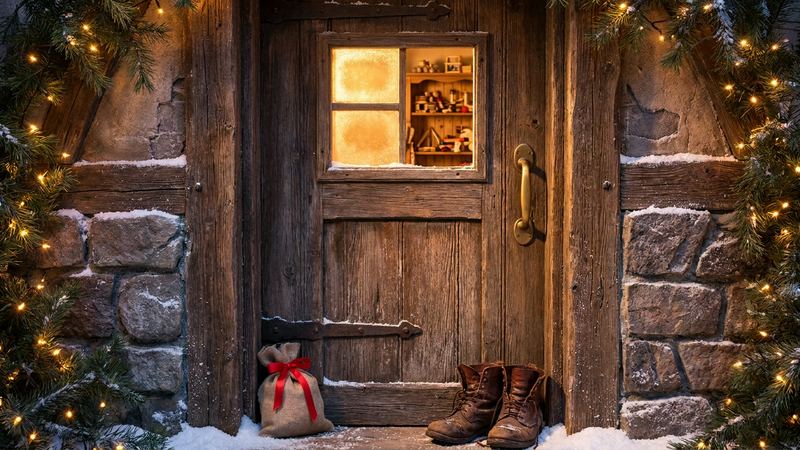
The Workshop Door
A read-aloud bedtime story about Santa Claus and the workshop door. About 5 minutes to read aloud.
Each story here states its read-aloud time, so you can choose one before you click and know it will fit the ten minutes before lights out.
Find a story to read tonight Where Santa Claus came fromEach one lists its read-aloud time, so you can pick before you settle in.
A read-aloud bedtime story about Santa Claus and the workshop door. About 5 minutes to read aloud.
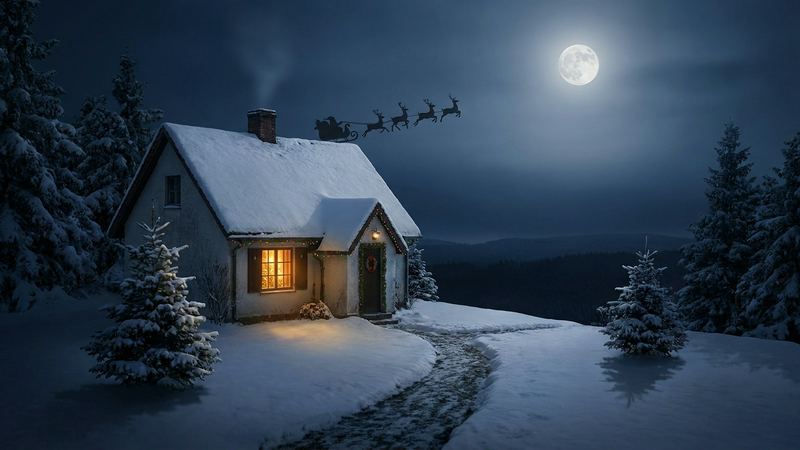
A read-aloud bedtime story about the last house on Santa's journey on Christmas Eve. About 6 minutes to read aloud.
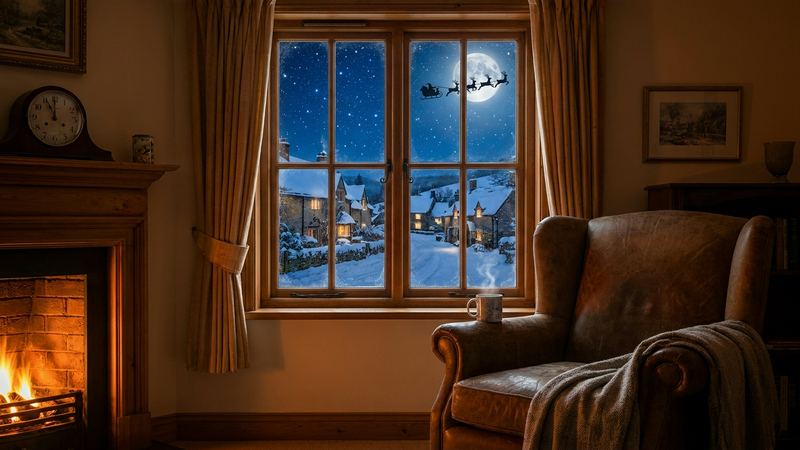
A read-aloud bedtime story about Santa Claus and the longest night of the year. About 7 minutes to read aloud.
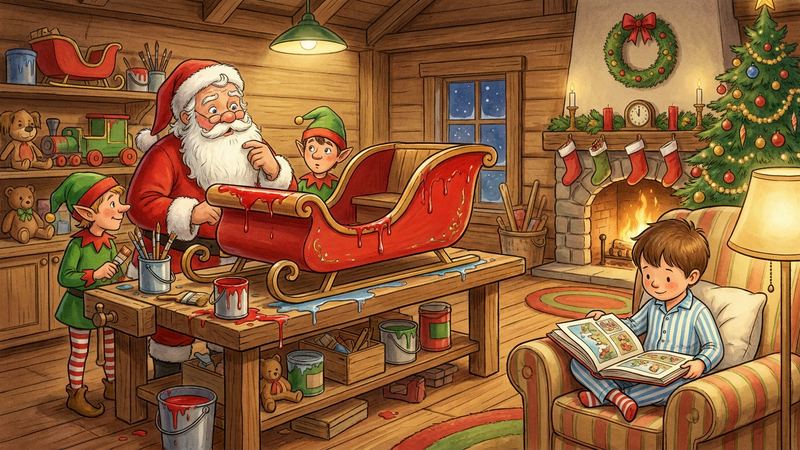
A read-aloud bedtime story about a problem in Santa's workshop — paint that will not dry. About 5 minutes to read aloud.
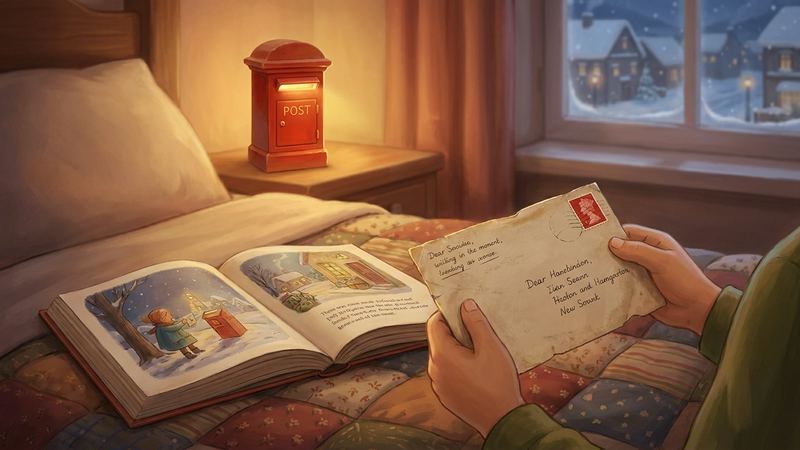
A read-aloud bedtime story about a letter to Santa Claus with an unusual address. About 7 minutes to read aloud.
The site also covers the traceable history of Santa Claus, practical help with reading aloud, and guidance for the questions children eventually ask.
Each story states its read-aloud time before you start, so you can choose in a moment.
Find a story →The traceable history from Sinterklaas to the 1823 poem that fixed the modern picture, with names and dates given plainly.
Read the history →Practical guidance for reading to different ages at once, pacing, and where the pauses belong.
Read the guide →Guidance for adults on the question children eventually ask, showing how other families have handled it.
Read the guide →Guidance on writing a letter to Santa, with no form to fill in and nothing collected along the way.
Read the guidance →Original stories held to a writing standard, careful history, no advertising and no data collection, stated once and then held to.
Read more →Santa Claus UK is a collection of original stories about Santa Claus, written to be read aloud, alongside guides to where the modern Santa Claus figure actually came from. Nothing here is built for a child to scroll through alone; every story exists to be read by an adult, out loud, at bedtime or in a classroom, and every guide is written for the adult doing the reading.
Each story in the stories collection states its read-aloud time in minutes, so you can pick one that fits the ten minutes you have. None end with a stated lesson or a moral; a story finishes when the action does.
Alongside the stories sits an account of where Santa Claus came from: the Dutch Sinterklaas, the 1823 poem that fixed much of the modern picture, and the illustrators who later gave that picture a face. The history of Santa Claus names the people and texts involved and says plainly where the record is disputed.
A short guide to reading aloud well sits alongside the stories, for anyone who wants the words to land. A separate page, written for adults and labelled as such, sets out how different families have answered the question of whether Santa is real, without arguing for one answer over another.
There is no advertising anywhere on this site, no sponsored content, and nothing built to collect information from a child: no forms, no sign-ups, no accounts. The guidance on writing a letter to Santa is guidance only, and it stops before any step that would ask a child to submit anything.